

Liability Limits
Pays the other driver when a crash is your fault. Low limits look cheap until a repair bill runs past them.
Learn More
See your limits, deductibles and repair choices lined up in one place, then keep the policy that suits your car and your budget.
Ready for real numbers? Get your car quote today
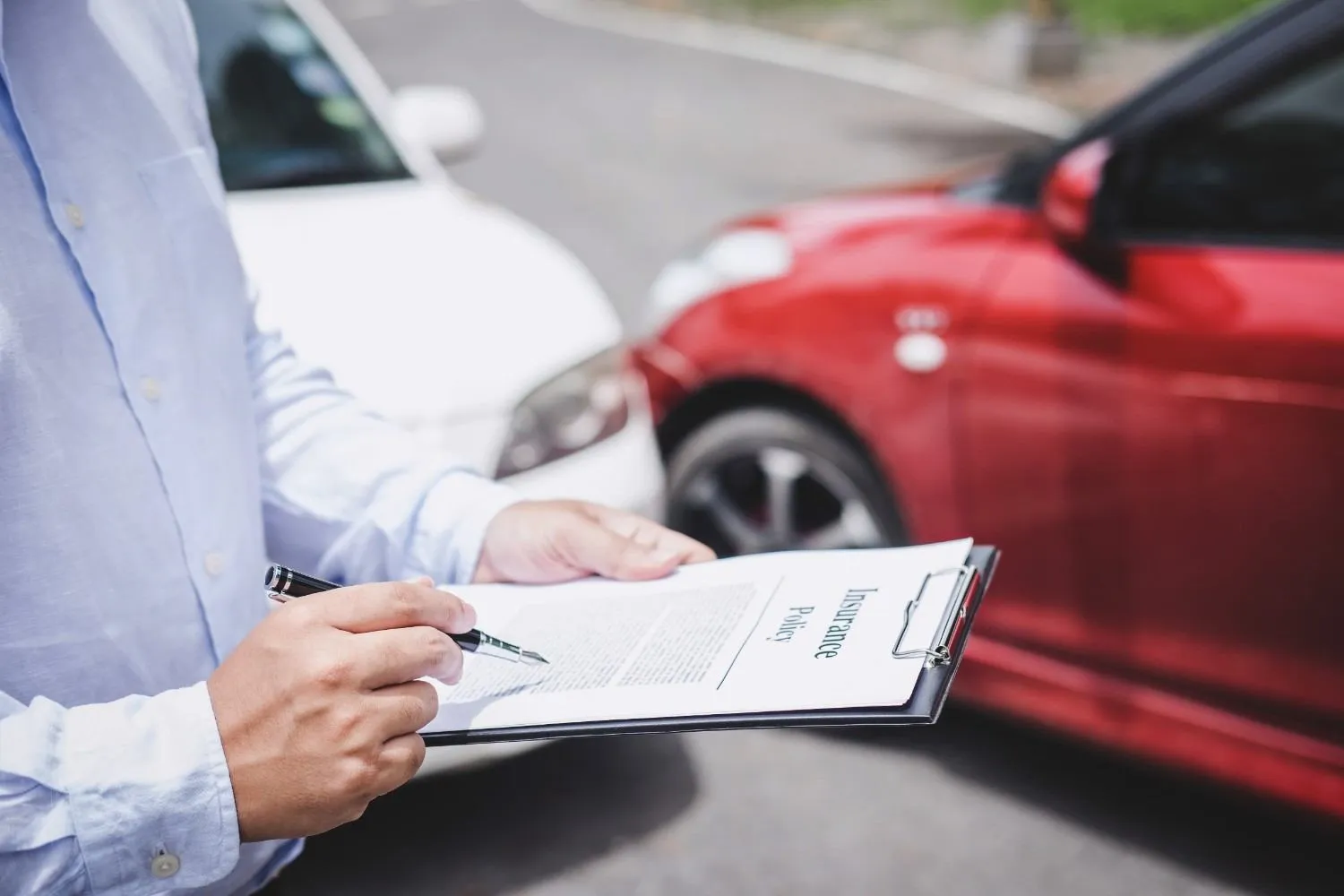
Get a QuoteMost drivers learn what a policy skips at the worst possible moment, standing next to a crumpled bumper with a phone in hand. I put those details in front of you first: how far your liability reaches, what your deductible really costs you, and what happens when the other driver turns out to carry nothing.
You tell me about the car and how it gets used. I line up the options that fit and explain what each one pays for, so nothing lands on your policy without you knowing.
A policy is really a stack of smaller decisions. These three shape your monthly bill and your repair bill more than anything else on the page.
Pays the other driver when a crash is your fault. Low limits look cheap until a repair bill runs past them.
Learn More
Covers your own car after a knock, hail or theft. Your deductible sets how much of that first bill you pay.
Learn More
Steps in when the driver who hits you carries nothing, so a repair bill does not quietly become your worry.
Learn MoreThe make, model, who sits behind the wheel, and how far the car travels in a typical week.
Limits, deductibles and add-ons sit side by side, so a cheap price cannot hide thin cover.
Send over any wording that reads oddly, and I will tell you what it really covers for you.
Choose the policy, keep those documents close, and get back on the road knowing the terms.
It is the slice of a repair you cover yourself before the policy takes over. A higher deductible pulls the monthly cost down and raises what you hand over after a knock, so pick a figure you could pay today without wincing.
Plenty of cars sharing the road carry nothing, and some carry limits far too thin for a serious crash. This part pays for your repair and medical costs when the driver at fault cannot, which is the gap most policies leave wide open.
Usually it helps. Yearly mileage, where the car sits overnight, who else holds the keys and the kind of driving you do all feed into the price. Tell me how the car is really used and the numbers shift with it.
Yes. Looking costs you nothing and changes nothing. You can read the options, ask whatever you like about the wording, and stay exactly where you are if your cover already suits the car.
You get your documents to keep somewhere easy to reach, a short note on what to do at the roadside after a crash, and me on the other end of an email when a renewal or a new driver changes the picture.